
Method before opinion. Evidence before recommendation.
Each engagement follows a deliberate sequence, designed to translate the geology of the deposit into a clear and defensible technical input for the —technical or industrial— decision the project must make.
Four phases. One disciplined sequence.
The phases are sequential and deliberate. We do not jump to interpretation before the problem is properly framed, and we do not deliver recommendations the data cannot sustain.
- Phase 01Understand the decision
We start from the real technical or industrial decision the project must make about the carbonate deposit. Without that anchor, geology becomes academic and consulting becomes generic.
- Decision framing
- Scope definition
- Constraints and timing
- Information gaps
- Phase 02Structure the reading of the deposit
We organize the available data on the mineralized body —field, drilling, analytical, contextual— and define what can reasonably be concluded with what is known today.
- Data review
- Geological narrative of the deposit
- Internal-consistency checks
- Uncertainty mapping
- Phase 03Apply criterion on industrial use
Interpretation rests on the geological logic of the deposit and is oriented toward its specific potential use. When the data does not support a conclusion, we say so.
- Working hypotheses
- Cross-validation
- Reading of industrial potential
- Declared uncertainty
- Phase 04Deliver defensible results
Technical deliverables built to support the technical or industrial decision and withstand an independent review: clear, structured and proportional to the scope.
- Decision-oriented report
- Executive summary
- Technical appendix
- Walkthrough with the team
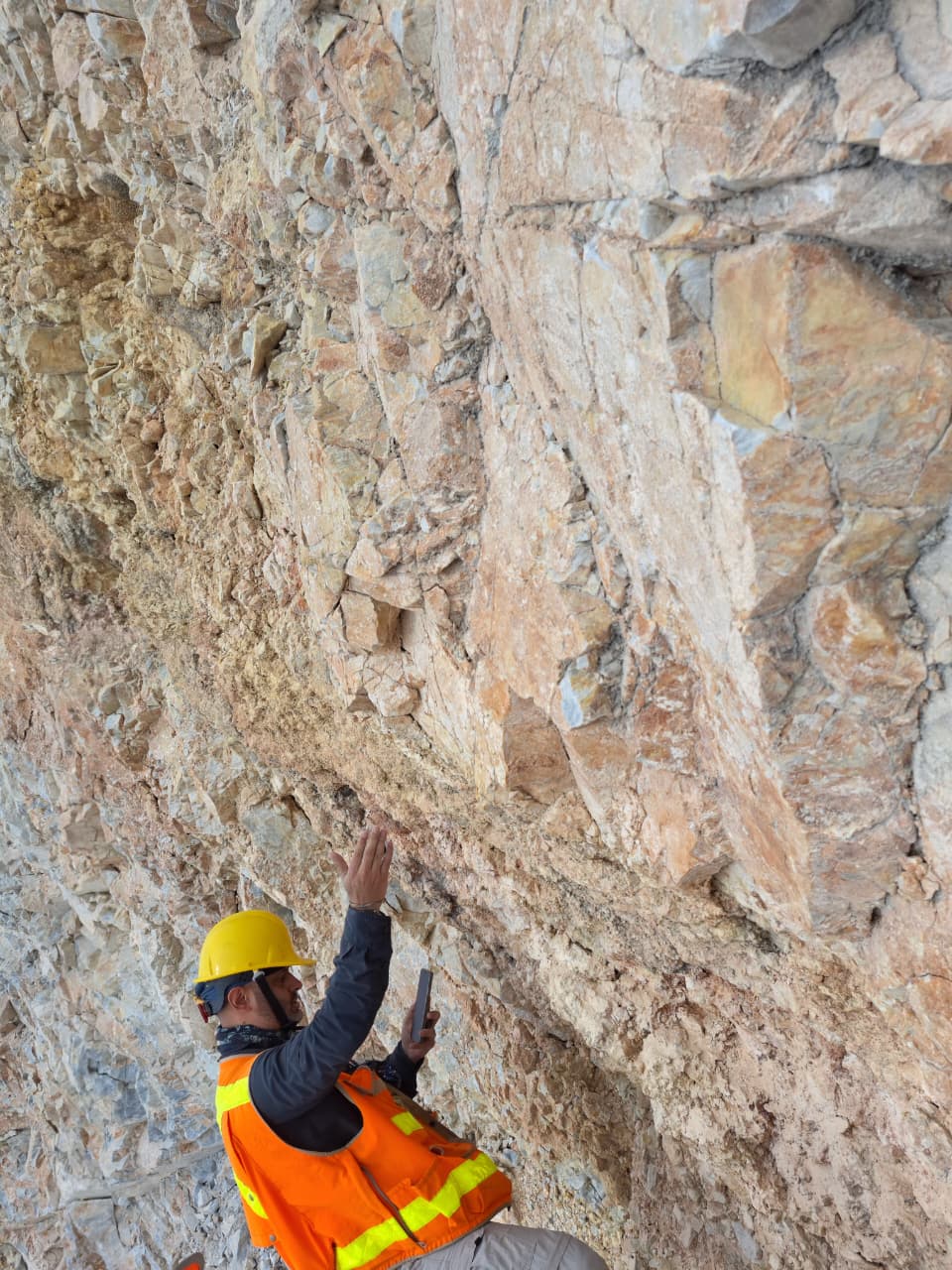
Before the model, before the report: the rock, read with criterion.
The geological reading of a carbonate deposit begins at the outcrop. Every subsequent technical decision —on lime, cement, GCC or aggregates— stands or falls on how honestly the rock was observed.
Discipline is also what we choose not to do.
Generic templates that ignore the specific decision of the deposit or the industrial project.
Recommendations on industrial use that the available data does not sustain.
Inflated scopes that add cost without changing the technical decision.
Conclusions presented without explicit reasoning or declared uncertainty.